20 min read
Safer By Design: Injury Prevention with Packaging Automation
Grab a flat carton. Open it. Snag a tape gun. Fold the flaps down. Wrestle with the carton to lay flat. Attempt to tape it together in one go. Add...


 JANSAN
 FOODSERVICE
 PACKAGING
 ABOUT US
At BradyPLUS, we prioritize serving you by participating in local events. Visit our events page to see when we'll be in your region, offering customized solutions to meet your facility operations needs.
2 min read
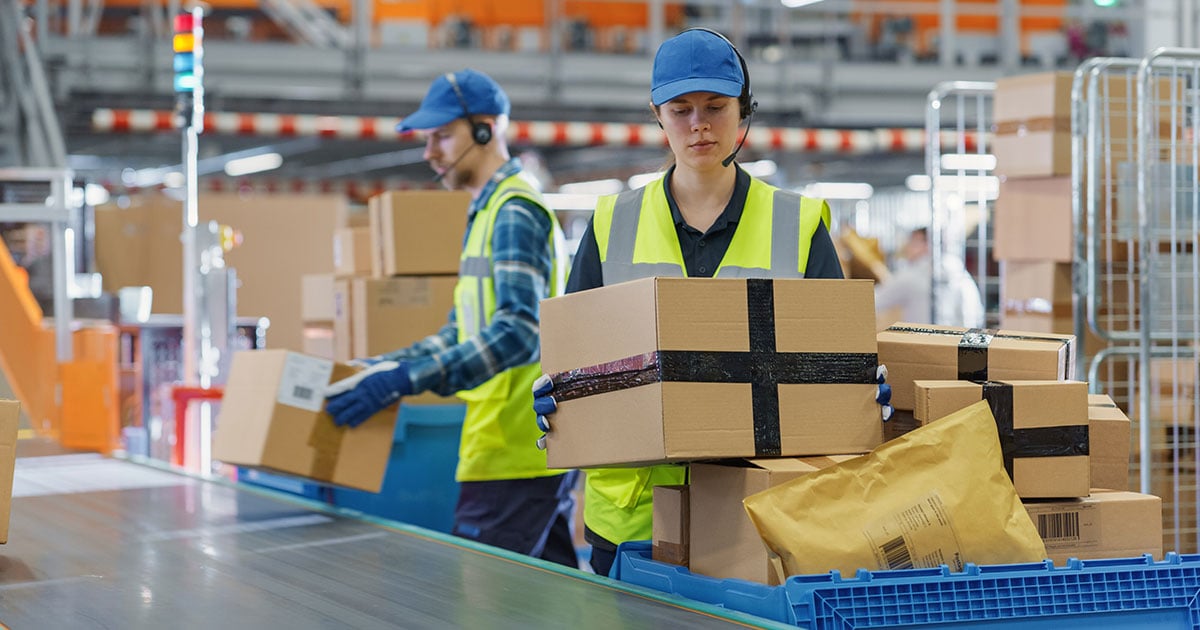
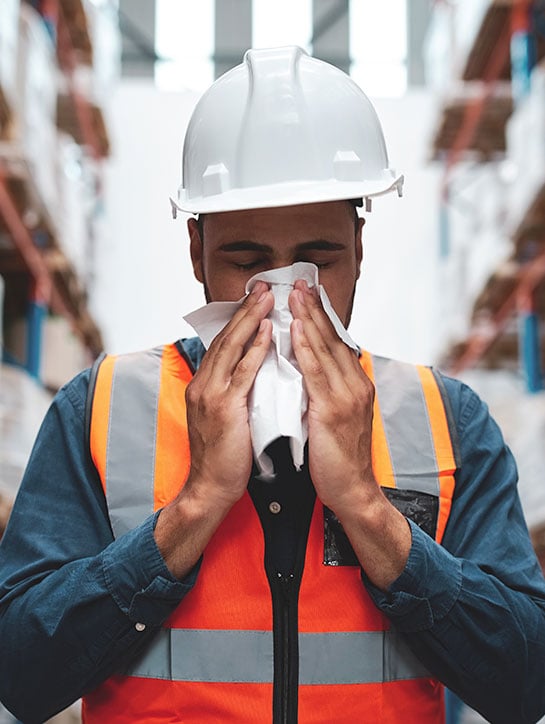
When winter hits, callouts start to rise as colds, flu, norovirus, and other infections start making the rounds. Before you know it, you’re short-staffed with a third or more of your team out sick.
Productivity takes a hit, costs increase, and your team is stressed out while trying to make important deadlines.
Taking steps to improve workplace wellness in the winter can help keep people healthy and your packaging floor running smoothly.
Absenteeism is often called the “bottom-line killer1”, and it costs U.S. companies $225.8 billion annually2. Absences increase during the height of flu season with 70% of employees who have the flu or a flu-like illness miss work for 2-3 days3.
Last-minute absences lead to shift coverage challenges, burdening industrial packaging and manufacturing operations, and affecting processes further down the line, which increases costs even more.
When you’re relying on overtime and temp hires, safety concerns around the operation of heavy machinery, specialized processes, and lack of training can increase the risks of accidents and injuries.

Colds, the flu, norovirus, and other illnesses are highly contagious and spread quickly in indoor spaces, including the production floor and warehouse spaces, where people are in close contact.
On the packaging line, high-touch surfaces like machine controls and tape dispensers can become germ “hot spots” if you don’t have a winter wellness cleaning and hand hygiene program in place.
Break rooms, locker rooms, shared workstations and equipment, handles, buttons, and other common touchpoints are all areas where viruses can flourish on surfaces and increase the possibility of infection.
Norovirus outbreaks4 can disrupt packaging operations for days as it spreads easily and is more challenging to clean. Symptoms appear between 12-48 hours, last for several days, and can take out entire shifts. Per the CDC, Norovirus costs U.S. businesses $2 billion annually5 in lost productivity and healthcare expenses.
Operations managers should implement a comprehensive hand hygiene program and sanitation protocols to reduce the risk.
Be aware that refillable soap dispensers and the practice of “topping off” lead to the bacterial contamination of soap6, including antimicrobial soap!
By investing in a winter wellness policy, packaging operations managers can protect their team, mitigate callouts, maintain productivity, and control costs.
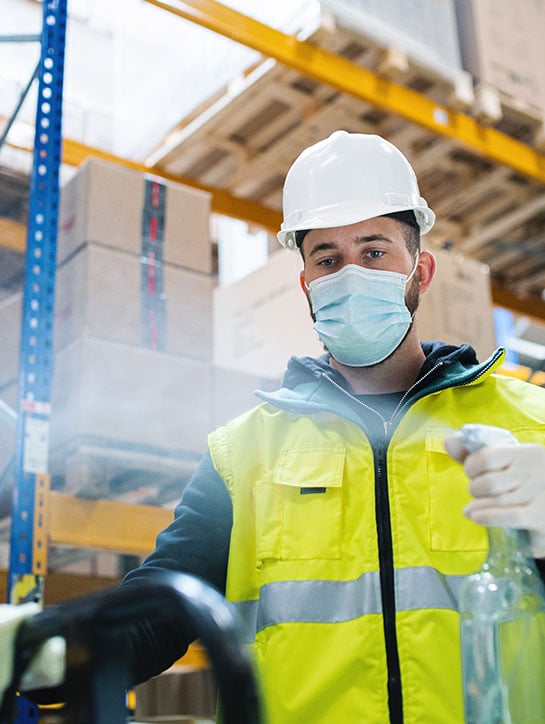
From the front entrance to the production floor, keep your team healthy during cold & flu season and all year round. This guide will show you where to place hand soaps, hand sanitizers, surface cleaners, and more throughout your building.
Download the PURELL® + KleenLine™ Placement Guide for Industrial Facilities ➡️
Sources:


20 min read
Grab a flat carton. Open it. Snag a tape gun. Fold the flaps down. Wrestle with the carton to lay flat. Attempt to tape it together in one go. Add...
16 min read
Winter break provides schools with a critical window to reset. With empty classrooms and fewer daily disruptions, facility teams have a rare...

11 min read
Extended Producer Responsibility (EPR) is rapidly transforming how companies manage their packaging operations and the materials they are using for...