 Keith Schneringer
19 min read
How Cleaning + Hand Hygiene Protocols Boost Student Attendance + Performance
From Pre-K facilities all the way up to college campuses, the health and cleanliness of school environments have proved to be powerful drivers of...


 JANSAN
BradyPLUS delivers strategic services and product consistency to keep your facilities cleaner and more sustainable, people safer, and operations more productive, every day.
 FOODSERVICE
Our best-in-class brands deliver the quality you demand at prices you’ll appreciate. We know how to address every need with products designed and manufactured for unmatched performance, consistency, and value.
 PACKAGING
Our range of services and key partnerships with top equipment providers and suppliers ensure productivity, safety, sustainability, and uptime. We deliver consistent quality, ensure product availability, and add value when markets fluctuate.
 ABOUT US
At BradyPLUS, we prioritize serving you by participating in local events. Visit our events page to see when we'll be in your region, offering customized solutions to meet your facility operations needs.
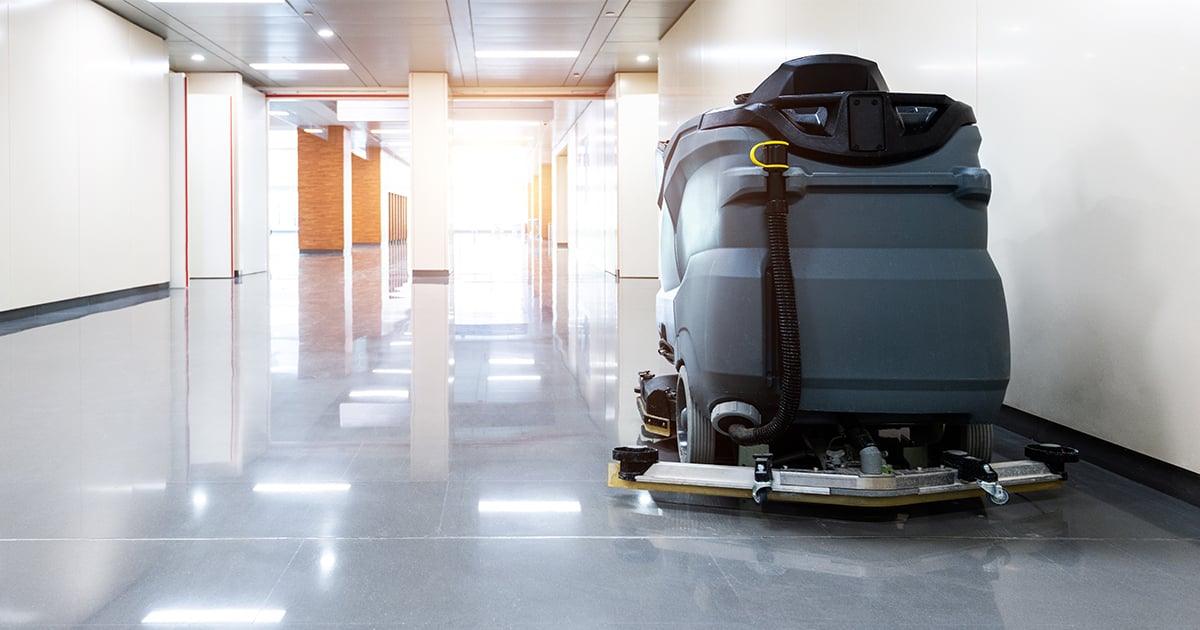
Keeping a facility clean these days has never been more challenging. Labor shortages, rising wage costs, increasing expectations for cleanliness, hybrid work schedules, and facility expansion have forced many organizations to rethink how cleaning across their facilities is done.
The good news is that mechanizing the cleaning process can dramatically improve productivity while delivering more consistent cleaning results. Whether you manage a healthcare facility, school, office building, manufacturing plant, warehouse, or senior living community, mechanizing routine cleaning tasks allows your team to accomplish more with the same, sometimes even fewer, resources.
As a distributor of professional cleaning supplies and equipment, we work with facility managers every day to identify opportunities to streamline labor, improve safety, and reduce the total cost of cleaning.
Here are several key considerations when developing your equipment strategy to mechanize the cleaning process.
Before evaluating your equipment needs, take a step back and assess your overall cleaning operation.




Understanding these pain points helps identify where mechanization will provide the greatest return on investment.
Not every facility requires the same equipment. The right solution depends on your building size, flooring types, traffic patterns, staffing levels, and cleaning objectives.
For example:

The most advanced equipment only delivers value if employees are comfortable using it.
Look for equipment that offers:
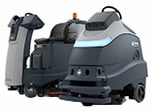
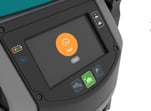
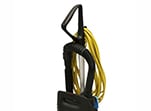
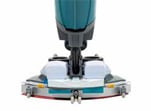
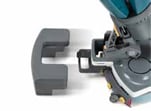
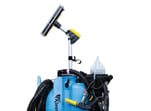
Equipment that simplifies training often leads to faster adoption and more consistent performance across cleaning teams.
Battery-powered equipment continues to advance to support cleaning equipment applications.
Lithium-ion battery technology offers several advantages over traditional lead-acid batteries, including:
Facilities operating multiple shifts may realize substantial productivity gains by upgrading to newer battery technologies.
Selecting equipment is only the beginning. Long-term success depends on having a partner who provides ongoing support throughout the equipment lifecycle.
When evaluating suppliers, ask about:
Working with a knowledgeable distributor helps ensure equipment maximizes runtime and remains productive long after installation.
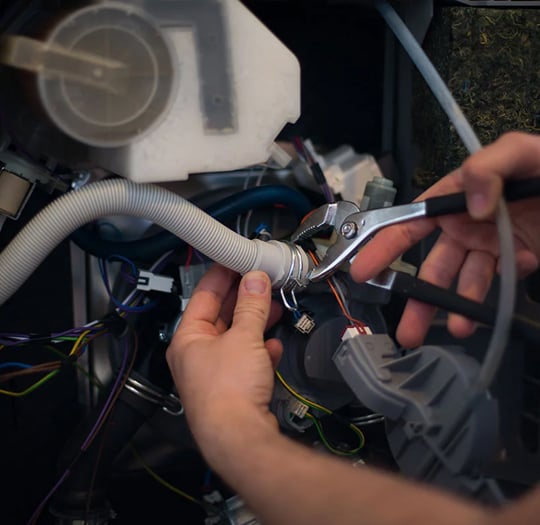
Rather than replacing equipment only when it fails, many organizations benefit from developing a multi-year equipment replacement strategy.
This allows facility managers to:
An equipment roadmap also helps align cleaning investments with broader operational goals such as sustainability, labor optimization, and workplace safety.

Selecting professional cleaning equipment involves much more than comparing specifications or purchase prices. The best solution is one that fits your facility, your staff, and your long-term operational objectives.
A knowledgeable distributor can evaluate your cleaning program, recommend equipment based on your unique needs, provide demonstrations, calculate potential labor savings, and help develop an implementation plan that maximizes return on investment.
Mechanizing your cleaning program isn't simply about purchasing new machines – it's about building a smarter, safer, and more efficient operation. With the right equipment and the right partner, facility managers can improve cleanliness, increase productivity, reduce costs, and create healthier environments for employees, visitors, and building occupants alike.


19 min read
From Pre-K facilities all the way up to college campuses, the health and cleanliness of school environments have proved to be powerful drivers of...
5 min read
In hospitals and healthcare facilities, cleanliness is essential to maintaining patient safety and supporting the healing environment. At an academic...

9 min read
In today’s world, cleaning is no longer just about appearance—it's about protecting human health, improving indoor air quality, and reducing...