19 min read
Case Erectors: A Smart Investment for Packaging Efficiency
What is the first thing you think of when someone mentions industrial packaging? For many, it’s corrugated boxes. Boxes continue to be a staple in...


 JANSAN
 FOODSERVICE
 PACKAGING
 ABOUT US
At BradyPLUS, we prioritize serving you by participating in local events. Visit our events page to see when we'll be in your region, offering customized solutions to meet your facility operations needs.
3 min read

Grab a flat carton. Open it. Snag a tape gun. Fold the flaps down. Wrestle with the carton to lay flat. Attempt to tape it together in one go. Add the empty carton to the stack for packing. Rinse and repeat.
Oh no, you got a cardboard cut! That's way worse than a regular paper cut.
If you’ve ever worked on a packaging line, you know the drill. At the pack-and-fill station, cartons stack up quickly, orders need to move, pallets must be wrapped, and the pressure never really lets up.
Manual packaging tasks might seem routine, but they demand constant bending, lifting, twisting, taping, and stretching hour after hour, shift after shift. And that repetition adds up.
With production targets to hit and labor coverage stretched thin, even small inefficiencies or minor strains can turn into recordable injuries, missed shifts, and costly disruptions.
That is where packaging automation changes the equation. It improves speed while designing safety directly into your operations.
It’s estimated that disabling, non-fatal workplace injuries cost U.S. employers more than $1 billion per week1 for direct workers' compensation—and this doesn’t even include lost time, decreased productivity, employee morale, or other incidental expenses.
During the packaging process, manual end-of-line tasks present ideal opportunities for worker injuries to occur.
Repetitive tasks, awkward postures, and non-ergonomic positions combined with tight deadlines, short staffing, and increased production increase the odds of someone getting hurt.
Reducing manual packaging tasks is an effective risk management strategy for preventing worker injuries and the costs associated.
Investing in a stretch wrapper, for instance, can save $3,500-$6,500 per year on material waste, labor costs, and injury claims.


Repetitive motion injuries often lead to muscle, tendon, and nerve strains and are the leading cause of missed work in the manufacturing industry2.
From pick and pack stations to palletizing and shipping areas—removing the hazards that cause straining, overexertion, fatigue, and other injuries with automated packaging equipment significantly drops these risks to employees.
Investing in automated or semi-automated packaging equipment keeps your workers safe, reduces workers' comp claims and lost time costs all while increasing efficiency and productivity.
See our Packaging Equipment Justification Guides for additional data and ROI information
Packaging automation helps operations of all sizes and thankfully, there are many solutions available options, including semi-automatic, automatic, and completely custom packaging equipment set-ups.
Is your operation a good fit for automation? To help your decision, concentrate your efforts on the tasks and equipment that will make the most impact to increase safety on the packaging line.
The initial costs may be high, but over time your total cost of ownership will lead to long-term savings across the board.


Operations shipping as few as 150 boxes can benefit from a case sealer and pay for itself within a couple of years. So, evaluating your end-of-line packaging system can be worth it.
Not sure where to start? We recommend starting small and beginning with the highest risk task, such as sealing or wrapping. This will allow you to measure throughput and safety benefits.
At the end of the day, packaging automation isn’t just about speed or cost savings. It’s about building a safer, more resilient operation. One that protects your team while keeping production on schedule.
When safety improves, productivity follows.
If you’re ready to evaluate where automation could reduce risk on your packaging line, our packaging equipment specialists can help you analyze your current process and identify the highest-impact opportunities.
Our Packaging Equipment Automation Justification Guides show how the right equipment can solve common operational challenges, reduce worker injuries, and improve efficiency in facilities just like yours.
Evaluate If Automation Make Sense for Your Operation



19 min read
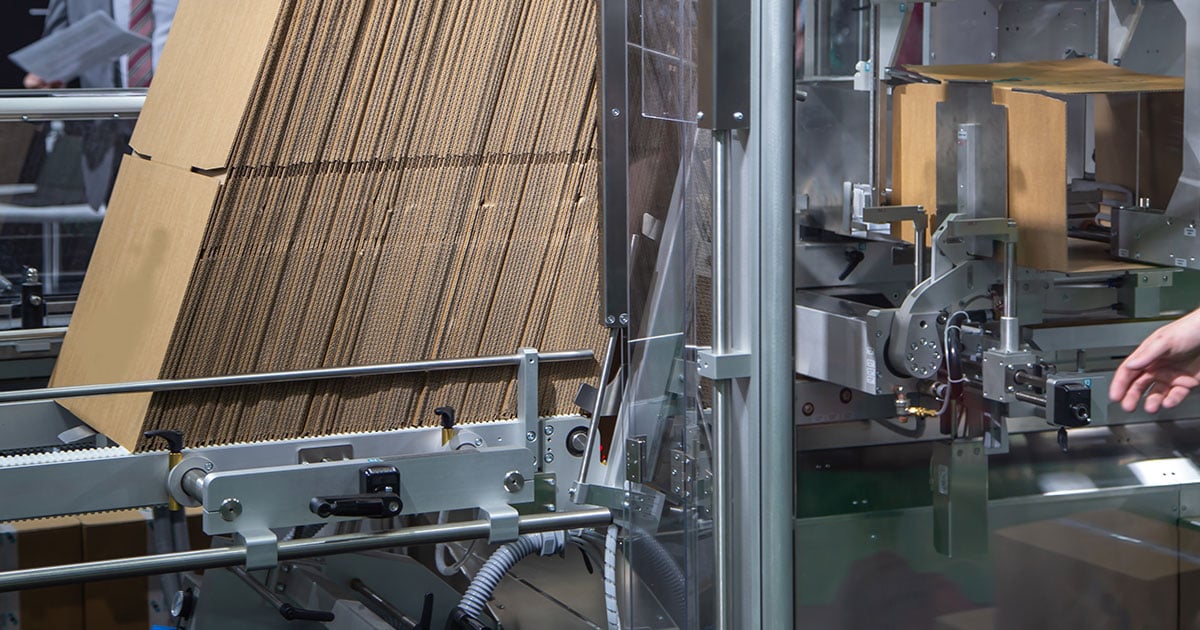
What is the first thing you think of when someone mentions industrial packaging? For many, it’s corrugated boxes. Boxes continue to be a staple in...
10 min read
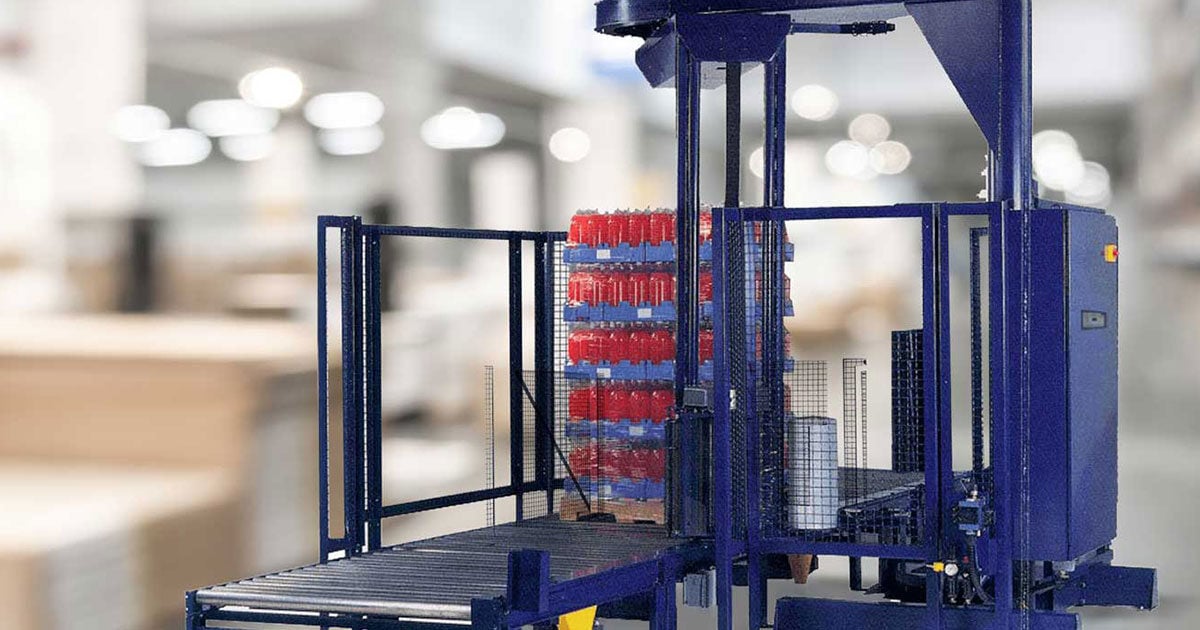
In the packaging industry, automation means different things to different people, but it generally comes down to one big idea – efficiency. All...
10 min read
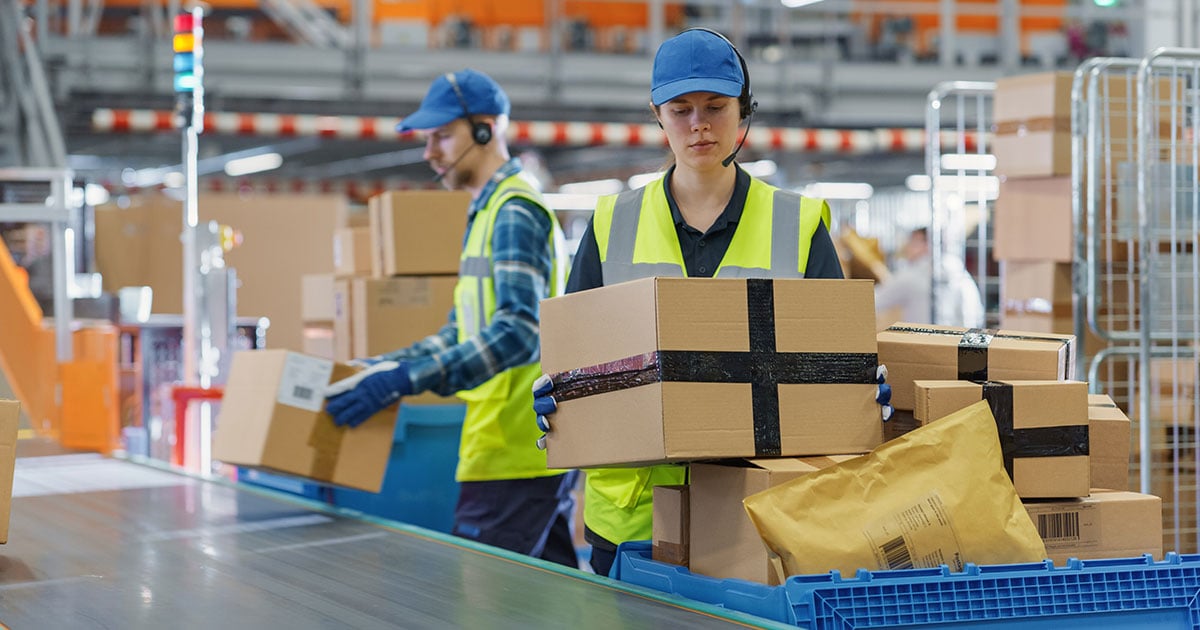
When winter hits, callouts start to rise as colds, flu, norovirus, and other infections start making the rounds. Before you know it, you’re...