

 JANSAN
 FOODSERVICE
 PACKAGING
 ABOUT US
Audit your current packaging materials and waste streams
4 min read
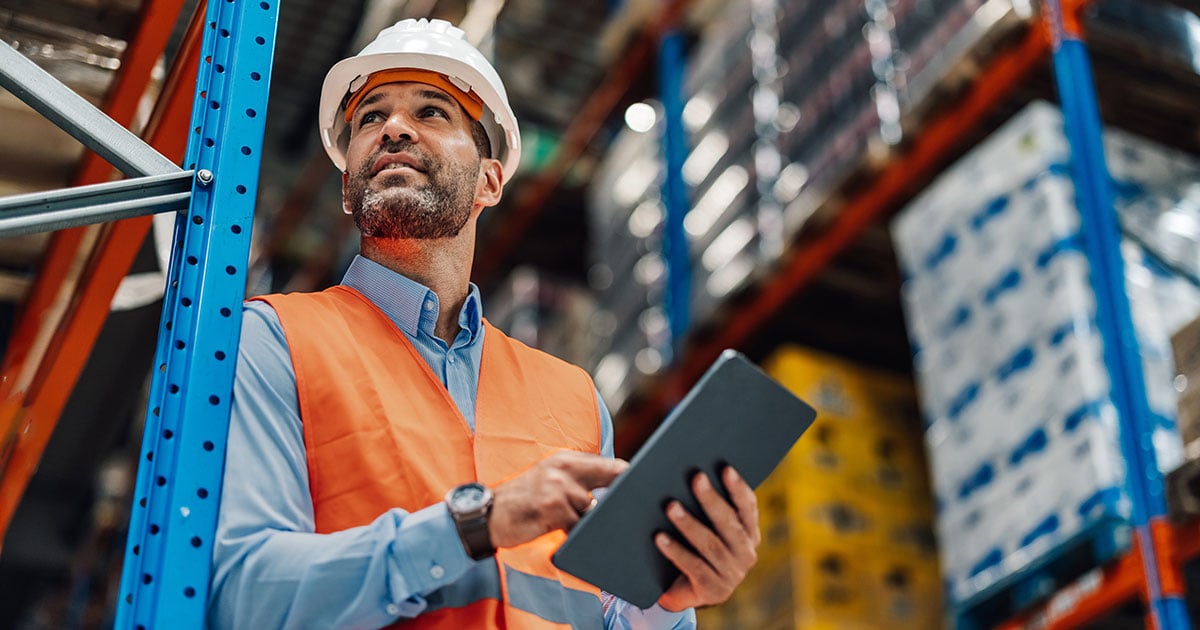
Click. Your customer hits the check-out button, and their shopping cart is now empty.
“Thank you for purchasing! Your order will be shipped soon. Be on the lookout for tracking information.”
The journey of a product purchase seems simple: an order comes through; products are picked, packaged, and shipped. But it’s a lot more complicated than what a packing list indicates.
Is it fragile? Is it being shipped with other products? Is it necessary to plan for returns? Is it being shipped in a corrugated box or a mailer? Does it need protection? What is the cost of shipping it?
The total cost of ownership1 to ship a product is a major aspect of packaging operations. It accounts for all the costs associated with shipping an order—from packaging material choices to freight charges to damages caused in the shipping process.
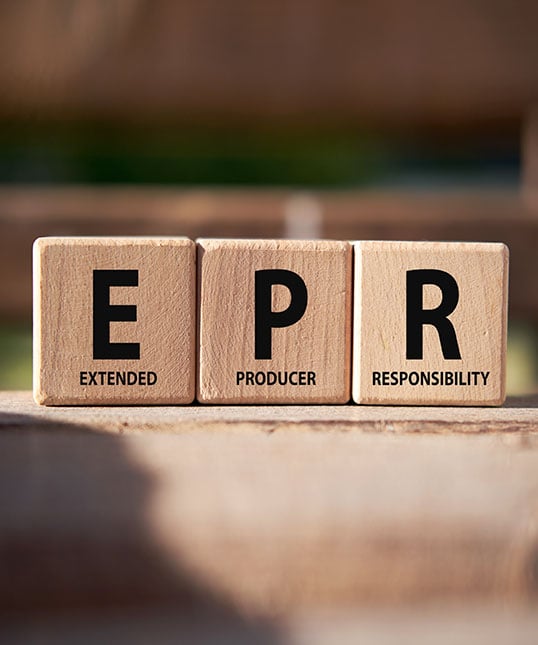
And if it wasn’t complex enough, Extended Producer Responsibility (EPR) legislation and customer sustainability expectations have reframed what this looks like for businesses.
How EPR Impacts Your Packaging Materials Choices
Businesses are now responsible for the disposal of the packaging waste they produce when creating a product in an effort by states to divert resources from filling up landfills, fund recycling infrastructure, and encourage the use of more sustainable materials.
EPR primarily affects the costs associated with the packaging materials used to ship products. This includes primary, secondary, and even tertiary packaging—everything from the original box or bag within which a product is contained, to the stretch film used to bundle items being shipped to its destination.
Each material is charged a fee. More sustainable options have a lower cost to encourage the use of more environmentally preferred materials, like those that can be easily reused or recycled by the end-user.
But there’s more to consider than just choosing paper over plastic.
Read how we collaborated with Emerald Packaging and Wada Farms to help Walmart achieve one of their sustainability goals through an innovative solution.


Total Cost of Ownership Factors
When making packaging material selections, packaging teams should take a holistic view of the entire packaging life cycle.


Usually, the best packaging options are the ones that reduce environmental impact and overall waste throughout the shipping journey by protecting the order properly.
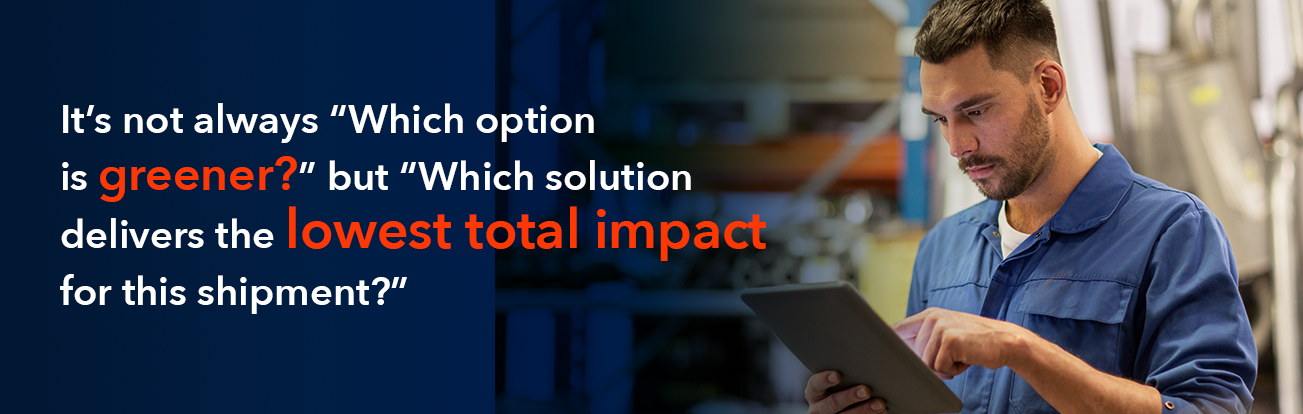
Breaking it Down: Packaging Material Choice and Total Cost of Ownership
USE CASE #1: Lightweigh Product—eCommerce Apparel
Anya bought a soft t-shirt and a pair of chino pants from an online clothing retailer. It's lightweight, and more resilient to damage during shipping.
KEY TAKEAWAY: Although flexible packaging like poly mailers may incur higher EPR fees, they use less material and lower shipping costs for lightweight, non-fragile items while still ensuring a positive customer experience and reducing total cost of ownership.
USE CASE #2: Heavy Product—Automotive/Industrial Products
Tony purchased a new door panel replacement from the original manufacturer at an automotive dealership for a customer. It's heavy and needs to be protected from damage during shipping.
KEY TAKEAWAY: Even though using more packaging materials for heavy or fragile products might seem less efficient, providing proper protection from the start actually reduces returns and repeat shipments, lowering the overall cost of ownership. This approach also helps strengthen your brand's reputation.
Actions You Can Take Now
You can make informed decisions as to which packaging materials are most cost-effective by evaluating the total cost of ownership for your packaging throughout its life cycle journey. And in doing so, you’ll make your packaging program more efficient, especially when navigating EPR compliance.
Three Steps to get Started
As more states pass EPR legislation and are fully operational, you’ll want to ensure that you have processes in place to adapt, including periodically reviewing your packaging program for improvement.
The most successful packaging strategies look at the entire picture and not just on individual elements.
Not sure if you're optimizing for total cost of ownership?
Our Packaging Materials Decision Scorecard helps you assess your Total Cost of Ownership in 6 key areas, including damage prevention, freight considerations, and EPR readiness.
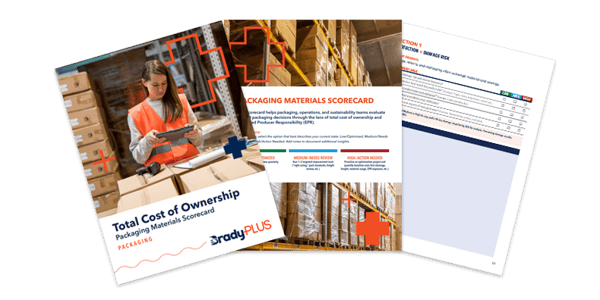
Get started by downloading the scorecard. 👇
For more information about Total Cost of Ownership, check out Smarter Packaging Starts With Total Cost of Ownership1 by Pregis.
Sources:
1. Pregis - Smarter Packaging Starts With Total Cost of Ownership

12 min read
Box Smarter, Spend Less: Holiday eCommerce Packaging Strategy
It’s the most wonderful time of the year, unless you’re in the throes of holiday ordering chaos. However, there's no need to worry, as there are...
64 min read
5 Hidden Cross-Site Packaging Risks to Address Before Peak Season
Managing multi-site packaging operations is a challenge at any time. Each site may have different equipment, processes, and capabilities. While this...
11 min read
What’s Hot: Trends Driving the Packaging Industry in 2026
This past year has been a whirlwind of change that has shaken up the packaging industry. With new innovations in artificial intelligence and...