 Lesleigh Rickerson
13 min read
Cleaning in 4D for Winter Wellness: Creating Safer, Healthier Facilities
Winter brings colder temperatures, more time spent indoors, and a higher risk of seasonal illnesses. To support occupant health and safety,...


 JANSAN
BradyPLUS delivers strategic services and product consistency to keep your facilities cleaner and more sustainable, people safer, and operations more productive, every day.
 FOODSERVICE
Our best-in-class brands deliver the quality you demand at prices you’ll appreciate. We know how to address every need with products designed and manufactured for unmatched performance, consistency, and value.
 PACKAGING
Our range of services and key partnerships with top equipment providers and suppliers ensure productivity, safety, sustainability, and uptime. We deliver consistent quality, ensure product availability, and add value when markets fluctuate.
 ABOUT US
At BradyPLUS, we prioritize serving you by participating in local events. Visit our events page to see when we'll be in your region, offering customized solutions to meet your facility operations needs.

For facility teams, winter means more than cold temperatures—it means constant moisture, heavier foot traffic, and higher safety expectations. Floor care strategies that work year-round often need a winter-specific upgrade.
Winter weather may look nice outside, but inside your facility it can create serious safety challenges. Snow, rain, ice, and slush tracked indoors quickly turn floors into slip hazards, increasing the risk of injuries, liability, and operational disruptions. Add heavier foot traffic and slower drying times, and winter becomes one of the most demanding seasons for floor care teams.
The good news? With the right preparation and a layered approach to floor safety, winter hazards can be managed effectively. This blog highlights a few key insights from our Winter Floor Safety Resource Guide and shows how small adjustments can make a big difference. For a complete, step-by-step checklist, be sure to download the full guide at the end.
During colder months, floors face a perfect storm of conditions that increase slip and fall risks:
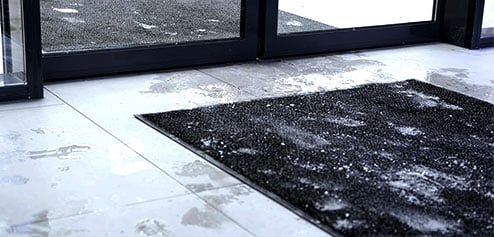

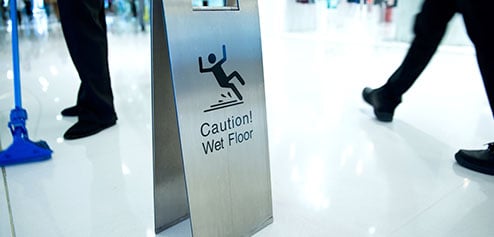

These factors don’t just impact appearance—they directly affect safety and indoor comfort.
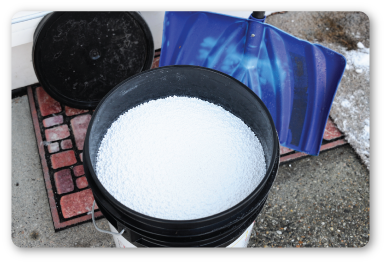
Winter floor safety begins before anyone enters the building. Applying the right ice melt products helps prevent exterior slips while also reducing how much moisture and residue get tracked indoors.
A few best practices to keep in mind:
Smart ice melt use not only improves safety outside but also reduces cleanup demands inside.
If there’s one winter safety tool every facility should prioritize, it’s entryway matting. A well-designed matting system can capture the majority of moisture and debris before it spreads across floors.
Effective winter matting includes:
Regular maintenance is critical. Saturated or curled mats can become hazards themselves, which is why inspection and rotation are just as important as placement.

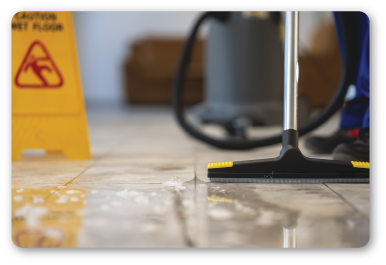
Once moisture makes its way indoors, quick response matters. Winter conditions often require more than traditional mopping alone.
This blog only scratches the surface. Our Winter Floor Safety Resource Guide includes a complete, actionable checklist covering exterior preparation, matting systems, cleaning tools, signage, equipment readiness, and team procedures.
Access the guide that fits your facility:
Winter floor safety doesn’t end when floors look dry. Ice melt residue and improper floor chemistry can quietly reduce traction and impact long-term floor performance. Using the right cleaners and adjusting maintenance routines during winter helps protect both safety and flooring investments.
The most effective winter programs take a layered approach—preventing hazards outside, capturing moisture at the door, responding quickly inside, and clearly communicating risks. When these elements work together, facilities are better equipped to reduce incidents, maintain cleaner floors, and support safer indoor environments all season long.

13 min read
Winter brings colder temperatures, more time spent indoors, and a higher risk of seasonal illnesses. To support occupant health and safety,...

10 min read
As winter quickly approaches with the potential for harsh weather conditions across the nation, it’s crucial for facility maintenance teams to...
16 min read
Winter break provides schools with a critical window to reset. With empty classrooms and fewer daily disruptions, facility teams have a rare...