 Lesleigh Rickerson
9 min read
Top 5 Facility Management Trends for 2025
Facility managers play a pivotal role in ensuring the health, safety, and comfort of building occupants. As we look ahead to 2025, industry trends...


 JANSAN
BradyPLUS delivers strategic services and product consistency to keep your facilities cleaner and more sustainable, people safer, and operations more productive, every day.
 FOODSERVICE
Our best-in-class brands deliver the quality you demand at prices you’ll appreciate. We know how to address every need with products designed and manufactured for unmatched performance, consistency, and value.
 PACKAGING
Our range of services and key partnerships with top equipment providers and suppliers ensure productivity, safety, sustainability, and uptime. We deliver consistent quality, ensure product availability, and add value when markets fluctuate.
 ABOUT US
At BradyPLUS, we prioritize serving you by participating in local events. Visit our events page to see when we'll be in your region, offering customized solutions to meet your facility operations needs.
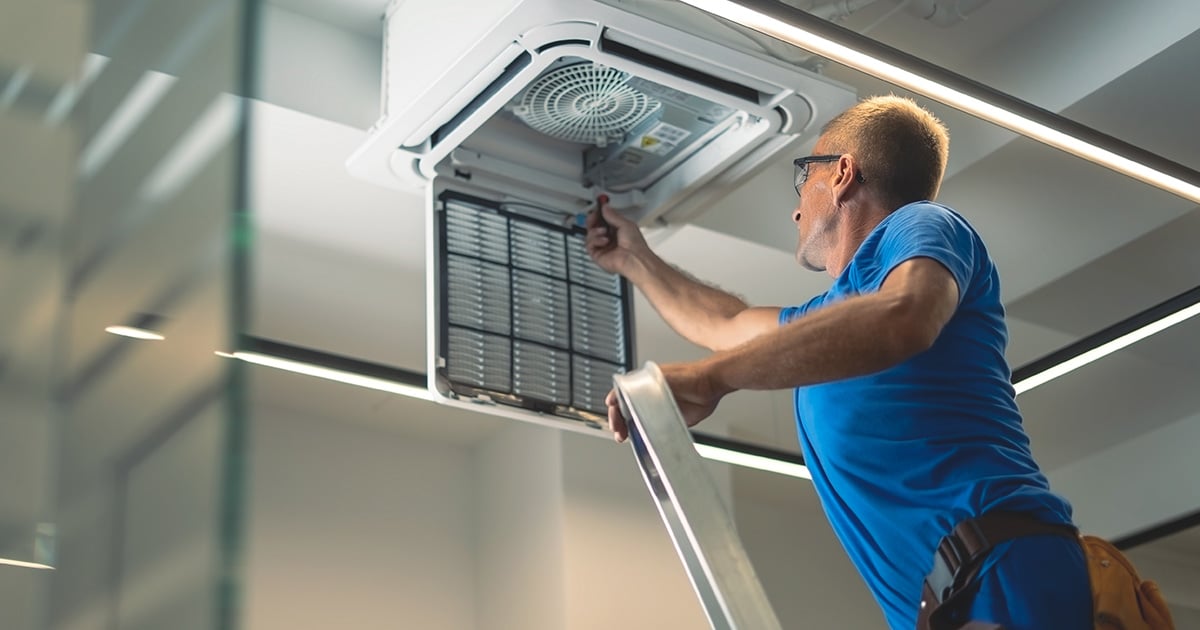
From allergens and odors to airborne pathogens and VOCs, indoor air quality challenges impact every facility. In this blog, we explore practical strategies facility managers can use and how smarter cleaning practices, air purification, and preventative maintenance strategies can help create cleaner and healthier buildings.

The quality of indoor air directly affects how occupants experience a facility every day. Employees, students, patients, residents, and visitors are all more aware of cleanliness and environmental comfort than ever before.
Airborne triggers such as dust mites, pollen, dander, mold spores, bacteria, viruses, and lingering odors can all impact occupant comfort and overall perception of a space. Addressing these concerns has become an important part of supporting healthier environments and improving overall occupant experience.
This may include:





Cleaning programs, maintenance teams, operational protocols, and product choices all play a critical role in supporting occupant wellness.
Indoor air quality is a higher priority than ever for facility managers as organizations place greater focus on occupant wellness, sustainability, and overall building performance. According to the U.S. EPA, indoor air can be significantly more polluted than outdoor air due to airborne contaminants such as dust, allergens, mold spores, bacteria, VOCs, and odors that accumulate inside facilities every day1.
While HVAC systems play a critical role in maintaining airflow and ventilation, improving indoor air quality requires a much broader strategy. Airborne particulates are often introduced and circulated throughout a facility long before they ever reach an HVAC system or air purifier.
That is why many organizations are taking a more proactive approach by evaluating how cleaning practices, maintenance routines, product selection, and facility protocols all contribute to healthier indoor environments.
Some of the most effective strategies to minimize the allergens, pathogens, and malodors to support cleaner indoor air include:
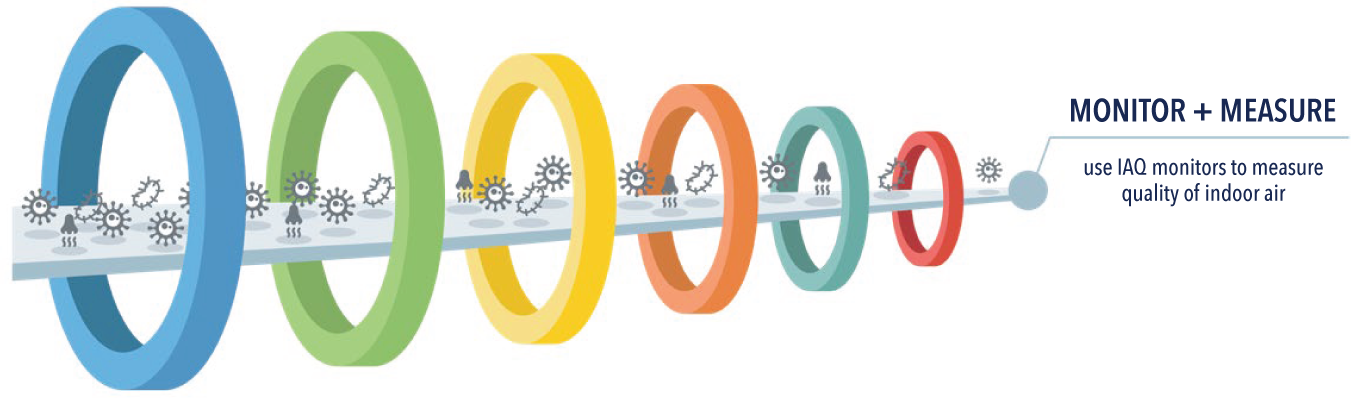
Together, these practices can help facilities create cleaner, healthier, and more comfortable environments for building occupants while also supporting long-term operational goals.
Improving indoor air quality is often closely connected to broader sustainability and facility management initiatives. Organizations are increasingly looking for ways to reduce environmental impact while still maintaining high cleaning standards and healthier indoor spaces.
Achieving better indoor air quality requires more than simply adding an air purifier. A diverse array of indoor pollutants and pathogens may be present within a facility, and it is crucial to identify these contaminants and implement effective cleaning and facility maintenance strategies to minimize potential exposure for building occupants and provide an overall healthy building environment before these airborne pollutants can even reach the air purifier or HVAC system.
Whether your goal is to achieve Fitwel, WELL, LEED, or UL Verified Healthy Building certification, or you are working with ASHRAE Standard 241 or the Healthy Green Schools + Colleges Standard, we’ve got you covered as it relates to a comprehensive cleaning protocol to address IAQ.
For organizations looking to strengthen their indoor air quality strategy, understanding how cleaning operations, maintenance practices, air purification, and product selection work together is an important first step toward creating a cleaner and healthier facility environment.
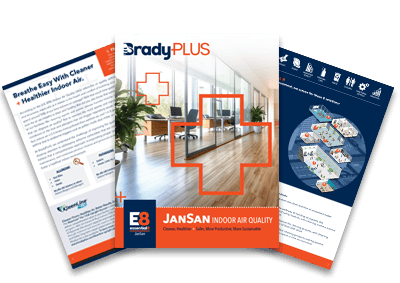

Shop JanSan essentials now to streamline your workflow this season.

Create an account to make ordering faster and easier for your team.

Source


9 min read
Facility managers play a pivotal role in ensuring the health, safety, and comfort of building occupants. As we look ahead to 2025, industry trends...

9 min read
In today’s world, cleaning is no longer just about appearance—it's about protecting human health, improving indoor air quality, and reducing...

15 min read
For years, facility teams have focused on keeping spaces clean and presentable. But visible cleanliness doesn’t always equal reduced risk.