 Lesleigh Rickerson
12 min read
Staying Healthy During the Season of Cold, RSV, Flu & Norovirus
The outbreaks of the cold, flu, COVID, RSV (Respiratory Syncytial Virus) and Norovirus have made headlines nationwide. This season has seen a peak in...


 JANSAN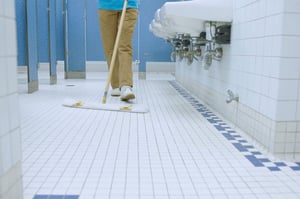
BradyPLUS delivers strategic services and product consistency to keep your facilities cleaner and more sustainable, people safer, and operations more productive, every day.
 FOODSERVICE
Our best-in-class brands deliver the quality you demand at prices you’ll appreciate. We know how to address every need with products designed and manufactured for unmatched performance, consistency, and value.
 PACKAGING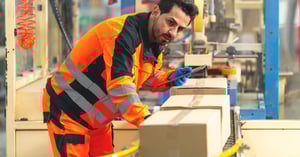
Our range of services and key partnerships with top equipment providers and suppliers ensure productivity, safety, sustainability, and uptime. We deliver consistent quality, ensure product availability, and add value when markets fluctuate.
 ABOUT US
At BradyPLUS, we prioritize serving you by participating in local events. Visit our events page to see when we'll be in your region, offering customized solutions to meet your facility operations needs.

For years, facility teams have focused on keeping spaces clean and presentable. But visible cleanliness doesn’t always equal reduced risk.
Pathogens move differently than dirt. They transfer, spread, and persist in ways that demand a more structured approach. That’s why leading organizations are shifting from reactive cleaning to proactive Occupant Wellness to be building strategies that strengthen Pathogen Control from the ground up.
Here’s what that shift really looks like.






Many facilities purchase high-quality disinfectants and cleaning supplies but still struggle with consistency.
Why? Because products don’t create outcomes. Programs do.
A successful Cleaning for Health initiative includes:
When cleaning becomes systemized rather than reactive, results become measurable.

If you're evaluating your building's readiness for stronger Pathogen Control, ask:
These questions form the foundation of a stronger Occupant Wellness plan.
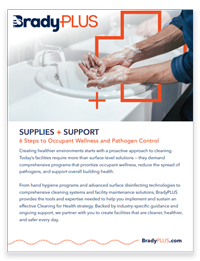
We’ve outlined a comprehensive framework in our 6 Steps to Occupant Wellness and Pathogen Control Checklist.
Inside, you’ll find:
If you’re ready to strengthen your Cleaning for Health strategy and build a healthier, safer environment, this checklist is the next step.

Healthy buildings don’t happen by chance. They’re built through planning, alignment, and consistent execution. With the right strategy and support in place, your facility can move beyond routine cleaning and deliver true Occupant Wellness today and into the future.
Footnote:
1. When used as directed on hard, nonporous surfaces
2. Total virgin plastic reduction vs. 75-count Clorox Disinfecting Wipes


12 min read
The outbreaks of the cold, flu, COVID, RSV (Respiratory Syncytial Virus) and Norovirus have made headlines nationwide. This season has seen a peak in...

9 min read
Facility managers play a pivotal role in ensuring the health, safety, and comfort of building occupants. As we look ahead to 2025, industry trends...
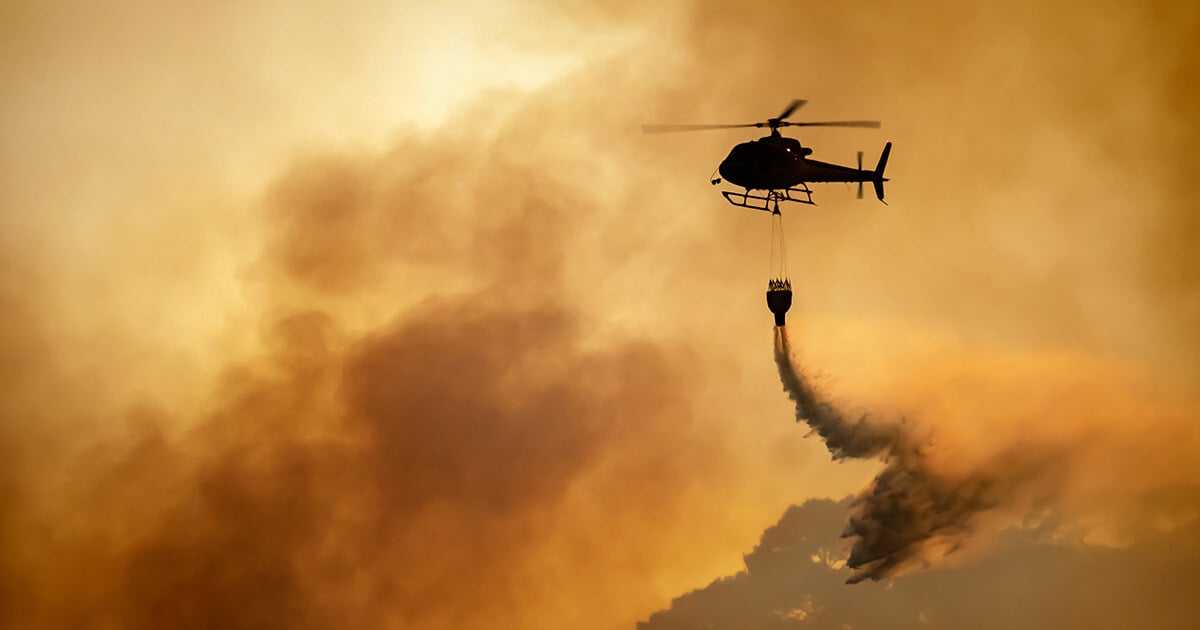
14 min read
Over the last few years, the trend of increasing wildfire frequency and severity has increased and is expected to continue. Wildfire smoke affects...