Skip to the main content.
menu-events-sm

At BradyPLUS, we prioritize serving you by participating in local events. Visit our events page to see when we'll be in your region, offering customized solutions to meet your facility operations needs.

For years, facility teams have focused on keeping spaces clean and presentable. But visible cleanliness doesn’t always equal reduced risk.

Pathogens move differently than dirt. They transfer, spread, and persist in ways that demand a more structured approach. That’s why leading organizations are shifting from reactive cleaning to proactive Occupant Wellness to be building strategies that strengthen Pathogen Control from the ground up.

Here’s what that shift really looks like.


Why Surface Cleaning Alone Isn’t Enough

Most facilities already clean daily. Floors are mopped. Trash bags are replaced. Restrooms are stocked.

But pathogens don’t operate on a cleaning schedule.

They spread through touchpoints, shared air, drains, waste streams, and even improper chemical use. Without a structured plan, facilities often over-clean low-risk areas and under-protect high-risk ones.

A true Occupant Wellness strategy looks at the entire building:

  • How contaminants enter
  • Where they transfer
  • How they spread
  • And how they’re eliminated

This requires more than products. It requires alignment.


The Hidden Drivers of Pathogen Control

a person washing hands with soap - hand hygiene

1. Hand Hygiene Compliance

Research shows that 80% of infectious diseases spread by touch yet many facilities still struggle with proper placement of dispensers, refilling schedules, or compliance visibility.

An effective hand hygiene program ensures:

  • High-traffic placement
  • No-touch dispensing systems
  • Clear signage
  • Reliable refilling processes

Small operational adjustments can significantly reduce cross-contamination.

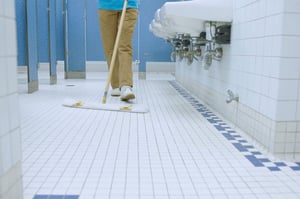
comprehensive surface cleaning - person using floor scrubber to clean the floor

2. Comprehensive Surface Cleaning Systems

Before disinfecting can be effective, surfaces must first be properly cleaned. Dirty surfaces create ideal conditions for pathogenic microbes to survive and thrive.

Comprehensive surface cleaning means going beyond wiping what’s visible. It requires:

  • The right cleaning chemicals for restromms, hard floors, carpets, and general surfaces
  • Accurate dilution through chemical dispensing systems
  • Proper tools such as microfiber cloths, mops, wipes, brushes, and scrubbing pads
  • Equipment that supports consistency and efficiency

When facilities standardize their cleaning systems, they create the necessary foundation for successful disinfecting.

Surface cleaning is not just about appearance. It is the preparation phase that determines whether your broader Cleaning for Health strategy will succeed.

targetted high touch surface disinfection, disinfecting door knobs

3. Targeted High-Touch Surface Disinfecting

Not all surfaces carry equal risk. Door handles, elevator buttons, light switches, shared equipment, and restroom fixtures are high-transfer zones. These areas require consistent high-touch surface disinfecting with proper dwell times and application methods.

Advanced products like Clorox EcoClean™ Disinfecting Wipes clean and disinfect 99.9% of germs1 with a citric acid active ingredient and 100% plant-based cloths. Designed with people and the planet in mind, these EPA Design for the Environment-certified wipes are made without bleach, ammonia or alcohol and with 38% less plastic2. It’s a clean you can count on for your facility and feel good about for your team.

PPE-person wearing diposable gloves

4. PPE and Process Standardization

Cleaning teams are on the front lines of pathogen control.

Improper PPE usage or unclear SOPs can result in:

  • Chemical overexpose
  • Cross-contamination
  • Inconsistent disinfecting
  • Safety incidents

Clear documentation, training reinforcement, and accessible protective equipment protect both staff and building occupants.

And that protection supports long-term Occupant Wellness.

building maintenance working on cleaning and replacing air filter on the ventilation system - IAQ

5. Indoor Air Quality and  Source Control

Surface disinfection gets attention. Air quality often doesn’t until there’s a problem.

Pathogens and pollutants can enter facilities through:

  • Entryways
  • Drains
  • Waste and recycling areas
  • Ventilation systems

Proactive facility maintenance strategies like entryway matting systems, drain maintenance programs, and air filtration upgrades help limit biological pollutants before they circulate.

Improving indoor air quality isn’t just about comfort. It’s about controlling exposure at the source.

people with a gear icon - program

From Products to Programs

Many facilities purchase high-quality disinfectants and cleaning supplies but still struggle with consistency.

Why? Because products don’t create outcomes. Programs do.

A successful Cleaning for Health initiative includes:

  • Clearly defined Standard Operating Procedures (SOPs)
  • Ongoing staff training
  • Chemical dispensing systems for accurate dilution
  • Communication tools and signage
  • Expert guidance to evaluate gaps and improve execution

When cleaning becomes systemized rather than reactive, results become measurable.

two people holding a complete puzzle - practical framework implementation icon

A Practical Framework for Facility Leaders

If you're evaluating your building's readiness for stronger Pathogen Control, ask:

  • Are our high-touch areas mapped and prioritized?
  • Is hand hygiene placement optimized for traffic flow?
  • Are our drain and waste systems contributing to indoor pollutants?
  • Do staff have ongoing training or just onboarding instruction?
  • Is our cleaning strategy proactive or reactive?

These questions form the foundation of a stronger Occupant Wellness plan.

Take the Next Step: Download the Full Checklist

We’ve outlined a comprehensive framework in our 6 Steps to Occupant Wellness and Pathogen Control Checklist.

Inside, you’ll find:

  • A comprehensive evaluation framework
  • Recommended supply and system categories
  • Operational considerations for long-term success
  • Training and process alignment guidance

If you’re ready to strengthen your Cleaning for Health strategy and build a healthier, safer environment, this checklist is the next step.

guide thumbnail

DOWNLOAD CHECKLIST


Healthy buildings don’t happen by chance. They’re built through planning, alignment, and consistent execution. With the right strategy and support in place, your facility can move beyond routine cleaning and deliver true Occupant Wellness today and into the future.

Footnote:

1. When used as directed on hard, nonporous surfaces
2. Total virgin plastic reduction vs. 75-count Clorox Disinfecting Wipes


Email this blog post


Staying Healthy During the Season of Cold, RSV, Flu & Norovirus

12 min read

Staying Healthy During the Season of Cold, RSV, Flu & Norovirus

The outbreaks of the cold, flu, COVID, RSV (Respiratory Syncytial Virus) and Norovirus have made headlines nationwide. This season has seen a peak in...


Read More
Top 5 Facility Management Trends for 2025

9 min read

Top 5 Facility Management Trends for 2025

Facility managers play a pivotal role in ensuring the health, safety, and comfort of building occupants. As we look ahead to 2025, industry trends...

Read More
Wildfire Aftermath: How to Improve Air Quality as the Dust Settles

14 min read

Wildfire Aftermath: How to Improve Air Quality as the Dust Settles

Over the last few years, the trend of increasing wildfire frequency and severity has increased and is expected to continue. Wildfire smoke affects...

Read More