 Allyson Stewart
23 min read
Packaging Up Sweet Success with Alec’s Ice Cream
It started with a dream. A dream of a sustainably produced, more digestible ice cream that is better for the environment and brings people joy. This...


 JANSAN
BradyPLUS delivers strategic services and product consistency to keep your facilities cleaner and more sustainable, people safer, and operations more productive, every day.
 FOODSERVICE
Our best-in-class brands deliver the quality you demand at prices you’ll appreciate. We know how to address every need with products designed and manufactured for unmatched performance, consistency, and value.
 PACKAGING
Our range of services and key partnerships with top equipment providers and suppliers ensure productivity, safety, sustainability, and uptime. We deliver consistent quality, ensure product availability, and add value when markets fluctuate.
 ABOUT US
At BradyPLUS, we prioritize serving you by participating in local events. Visit our events page to see when we'll be in your region, offering customized solutions to meet your facility operations needs.
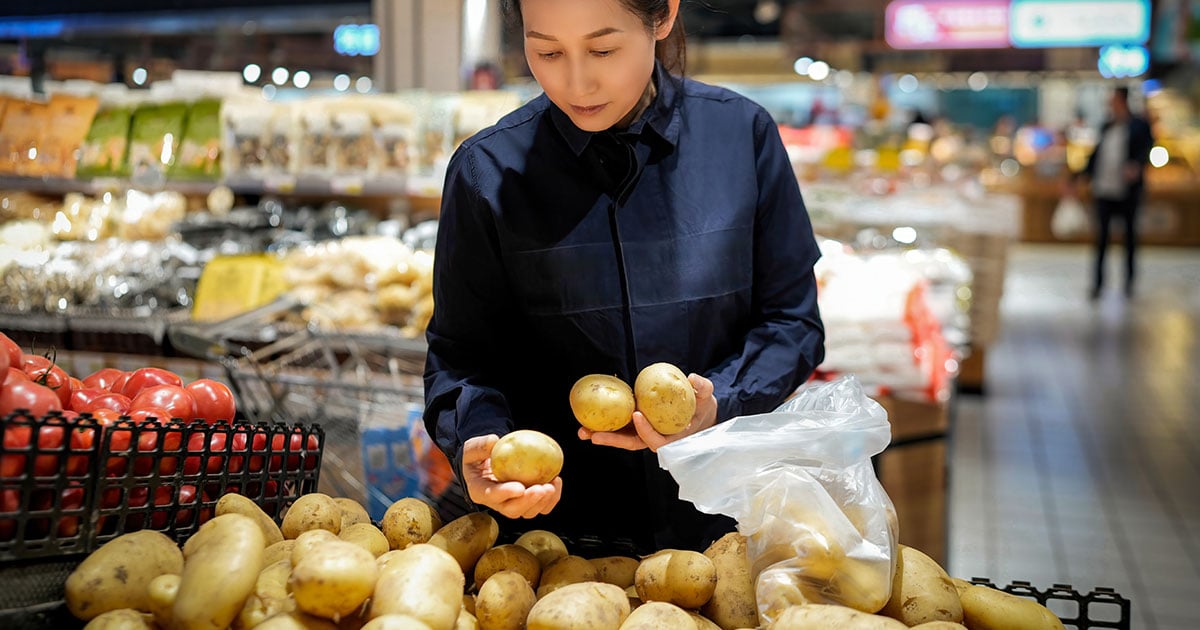
Many businesses have sustainability goals, but Walmart’s Project Gigaton has been especially aspirational. In 2017, they announced an initiative to reduce a gigaton, or one billion metric tons, of greenhouse gases from their global supply chain by 2030.
They have since expanded their scope to move towards a goal of zero operational emissions by 2040, as well as multiple projects aimed at reducing food and packaging waste.
Not only did Walmart have ambitious sustainability targets, but they also needed support in meeting them economically. Sustainable packaging options were out there, but they weren’t exactly budget-friendly.
Cue the need for a smarter, scalable solution.
BradyPLUS’s Chris Lee has long worked with Emerald Packaging, a powerhouse in sustainable, high-quality food packaging, and he understands the value they bring customers in the food manufacturing and distribution industries.
Chris’s relationship with Emerald Packaging presented an opportunity to partner with Wada Farms, a seller and packer of Walmart’s root vegetables, linking Emerald’s expertise in sustainable food packaging to Walmart’s broader sustainability mission.
Emerald Packaging had successfully launched a 30% PCR food-grade package for other produce items and was ready to take on the unique challenges presented with packing potatoes. The solution required a significant increase in the impact strength of the film, as well as ensuring adequate puncture resistance and heat seal strength for the packing and palletizing processes.
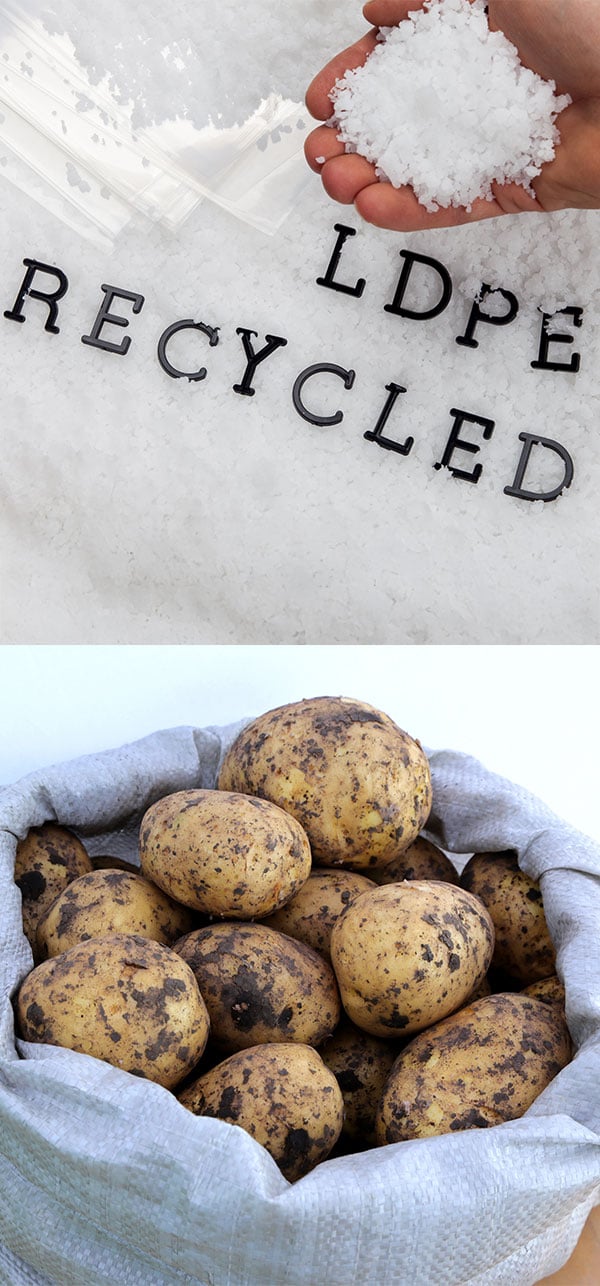
Chris recognized a unique opportunity to support Walmart’s sustainability journey and connected the dots. Emerald Packaging had just developed a game-changing post-consumer recycled (PCR) resin LDPE film. The film incorporated PCR with an FDA No Objection letter enabling the packaging for use in direct food contact at ambient temperatures, and the solution was ready to roll into production.
Now, they needed to produce a stronger version for potato bagging. Chris pitched the idea to Wada Farms, who brought it to Walmart. The retail giant agreed to participate, recognizing the potential to move the needle on their sustainability goals.
The bags had to withstand the dead weight of 10 pounds of potatoes falling five feet into them, equivalent to 500 pounds of impact force. It took numerous trials to perfect the correct formulation.
The new PCR resin potato bags passed all the tests while meeting the sustainability goals. The package incorporated 30% FDA NOL PCR and did not impact production rates. Wada ran trials using high-speed wicketed baggers (think: 250 lbs of potatoes per minute), and the results were smooth; no equipment changes, no hiccups, just clean performance.

The switch to PCR resin was as impactful as it was seamless:
And the best part? The machines didn’t need to be reconfigured. Even better, the PCR bags showed fewer issues than traditional polyethylene—fewer venting errors, better stretch, and more consistent cuts. Another key for cost control is seamless transition in extrusion, printing, and converting on the manufacturing side. Other materials require specialized equipment and capital expenditure.
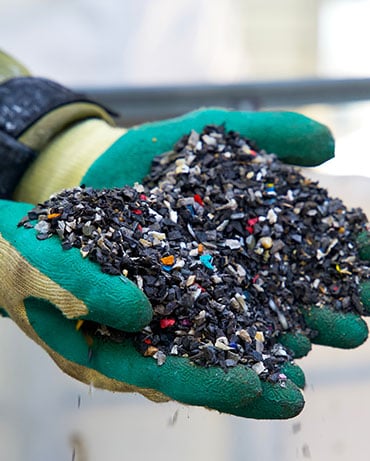
Emerald is already adapting to California’s Extended Producer Responsibility (EPR) standards, which reward sustainable materials with lower fees. For example, packaging with ≥20% PCR content could see fees drop from 25¢ to 8¢ per pound in California. Oregon has similar fee reductions.
Retailers are creating their own sustainability standards, so producers who act early will gain an advantage. Although PCR resin is still more expensive than virgin resin, its reputation and regulatory benefits are beginning to make it a strategic investment. As more products move to PCR and processes continue to improve, costs will decrease in comparison to using virgin resin.
This collaboration has earned us the customer’s trust and goodwill, with potential for expanding into other commodities. As sustainability goals continue to advance, PCR resin is proving that it’s not just a feel-good option—it's a reliable, scalable solution.

23 min read
It started with a dream. A dream of a sustainably produced, more digestible ice cream that is better for the environment and brings people joy. This...
10 min read
In the packaging industry, automation means different things to different people, but it generally comes down to one big idea – efficiency. All...
11 min read
Extended Producer Responsibility (EPR) is rapidly transforming how companies manage their packaging operations and the materials they are using for...