 Meredith Kenton
19 min read
Commercial Kitchen Design: Step-by-Step Planning Guide
Whether you’re opening a new restaurant, renovating an existing kitchen, or building a large-scale foodservice operation, your kitchen design will...


 JANSAN
BradyPLUS delivers strategic services and product consistency to keep your facilities cleaner and more sustainable, people safer, and operations more productive, every day.
 FOODSERVICE
Our best-in-class brands deliver the quality you demand at prices you’ll appreciate. We know how to address every need with products designed and manufactured for unmatched performance, consistency, and value.
 PACKAGING
Our range of services and key partnerships with top equipment providers and suppliers ensure productivity, safety, sustainability, and uptime. We deliver consistent quality, ensure product availability, and add value when markets fluctuate.
 ABOUT US
At BradyPLUS, we prioritize serving you by participating in local events. Visit our events page to see when we'll be in your region, offering customized solutions to meet your facility operations needs.
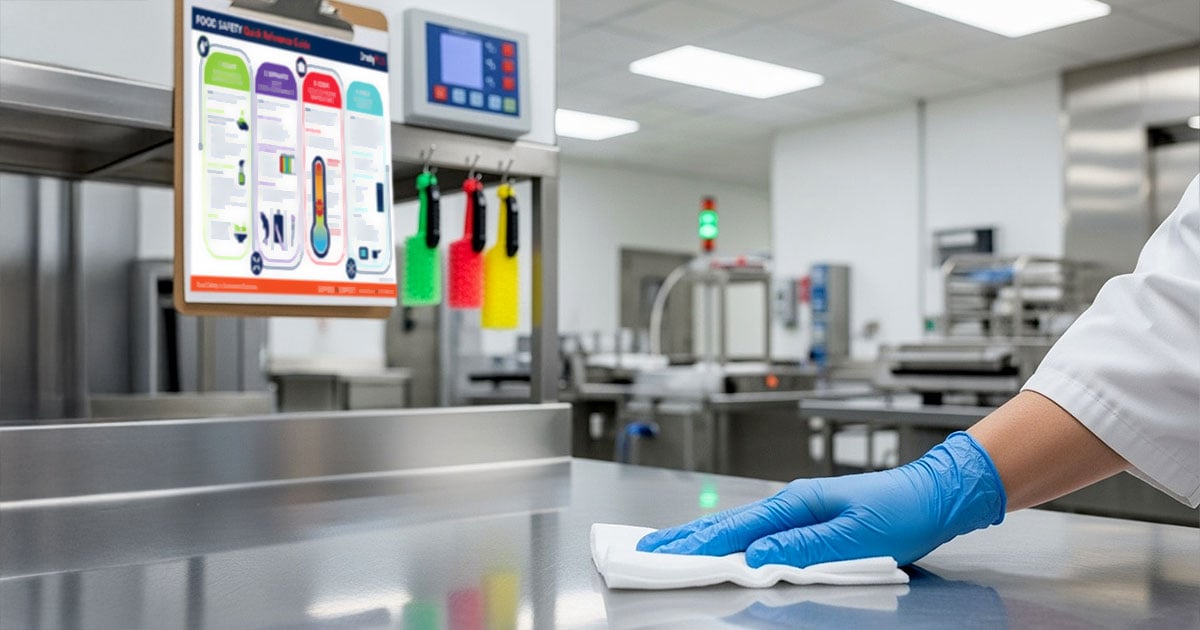
When most people hear the phrase food safety plan, they think about compliance. Something required. Something documented. Something filed away.
In reality, a food safety plan plays a much bigger role. It is one of the most important tools a foodservice operation has to protect its brand.
Every meal served is a promise to customers that their health, trust, and experience matter. When that promise is broken, even once, the impact can extend far beyond the kitchen. Online reviews spread quickly. Customer confidence can disappear just as fast.
Today, food safety is brand safety. And the strength of your food safety plan often determines how well that brand is protected.
Customers may never ask to see your food safety plan, but they experience the results of it every time they interact with your operation.
A strong food safety plan helps food businesses:
A weak or outdated food safety plan does the opposite. It leaves room for shortcuts, confusion, and preventable mistakes that can quietly erode trust.

For many operators, building a food safety plan can feel overwhelming. The good news is that an effective plan does not need to be complex. It needs to reflect how food is actually handled every day.
Most successful food safety plans are built around a few core steps.

While every operation is different, most food safety risks come from the same areas.
Temperature control, cross-contamination, hand hygiene, cleaning and sanitizing, and allergen management are common starting points.
Identifying where mistakes are most likely to occur helps focus the plan where it matters most.

A food safety plan should answer practical questions.
Clear answers reduce guesswork and inconsistency.

Plans that live only in binders rarely change behavior.
Effective food safety plans are reinforced through food safety training, visual reminders, and tools that support employees during real-world conditions like busy service periods.

Menus change. Equipment changes. Staff changes. A food safety plan should be reviewed and reinforced on a regular basis to ensure it still reflects daily operations.
When food safety expectations are simple, visible, and consistently reinforced, compliance becomes part of the culture rather than an afterthought.
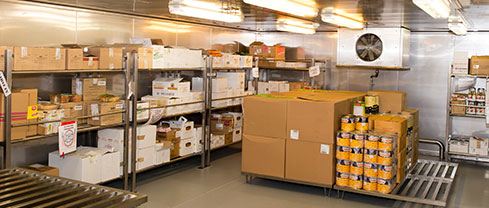



A food safety plan is not just paperwork. It is a commitment to consistency, accountability, and customer trust.
In an environment where reputation matters more than ever, investing in a strong food safety plan is essential.
Food safety is brand safety.
👉 Download the Food Safety Poster and give your team a clear, visible guide to safer food handling every day.

19 min read
Whether you’re opening a new restaurant, renovating an existing kitchen, or building a large-scale foodservice operation, your kitchen design will...
17 min read
Imagine you’re seated at a table that’s just been wiped down. You watch the waiter walk away with the bucket and rag in hand. Off to a great start –...

11 min read
Labor Day weekend marks the unofficial end of summer—a time for cookouts, festivals, and one last round of backyard barbecues before the long-awaited...