

 JANSAN
 FOODSERVICE
 PACKAGING
 ABOUT US
4 min read
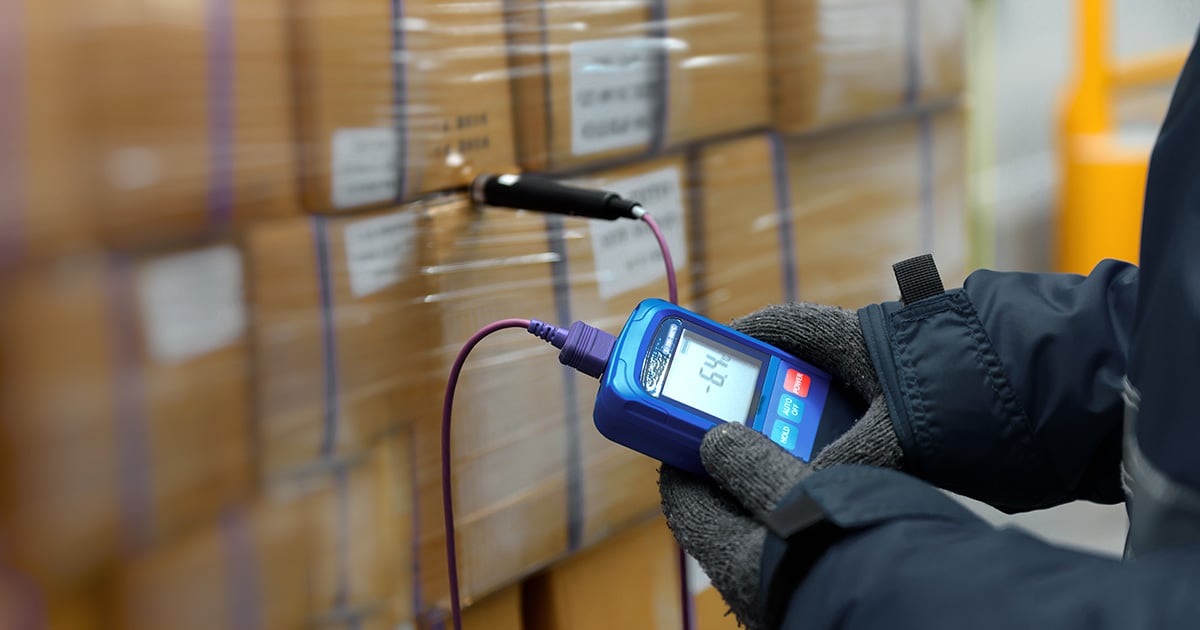
Summertime, and living isn’t exactly easy. A heat wave has rolled in, several team members are out on PTO, and orders are stacking up, ready to be fulfilled.
Issues that seem manageable when the weather is nice often tend to escalate quickly during summer and peak seasons, as extreme conditions exacerbate system-wide failures.
Throw in inconsistent standards across multi-site operations and it feels like you just can’t catch a break.
But these issues didn’t appear out of thin air.
Summer heat often becomes a stress test for packaging programs. You can increase your operational readiness by planning and implementing strategies that reduce operational delays, stress, and costs before they balloon out of control.
The Big 3 Packaging Failure Points
Summertime can amplify existing packaging operations issues. Ongoing uncertainties are heightened by non-standardization, extreme heat and humidity, transit delays, and peak volume.
The three biggest packaging failure points that cause the most issues are:


Scaling up throughput when labor pressure increases

Increased exposure risks in storage, warehousing and transportation
By ignoring these packaging failure points, material damage, delays, and increased costs result across the board. For multi-site packaging facilities, this can be even more problematic at scale.

Packaging Materials Lose Performance in Extreme Conditions
Most teams underestimate the impact of extreme conditions, like heat and humidity, have on their packaging materials' performance.
Extreme humidity alone causes shipping cartons to lose half their stacking strength, and heat turns them brittle and easy to tear, according to UPS.1
And it’s not just cartons. Adhesives, films, and other materials are all impacted in various ways. The initial signs are often small, so it's easy for teams to overlook them before they blow up into bigger problems.
STANDARDIZE THIS!
- Rotate heat-sensitive packaging materials to prevent heat degradation
- Identify back-up materials that perform better in extreme conditions
- Validate materials for summer conditions for storage and shipping
- Run load stability spot-checks during days with high temperatures


When Staffing Shortages and Peak Volume Collide
It’s not just materials that are impacted by high temperatures. Staffing challenges and the risk of heat related illnesses and injuries can reduce efficiency and productivity just when orders are at their peak.
Seasonal labor is often unfamiliar with non-standardized summer packaging procedures and requirements, increasing the chance of product damage and spoilage due to heat exposure.
Heat-related stress can cause cognitive and mental fatigue, leading to increased accidents and a higher likelihood of errors on the packaging line during the summer.2
STANDARDIZE THIS!
- Develop specific summer pack-out instructions & distribute at all locations
- Run a refresher training ahead of peak season for all staff
- Review manual processes that can benefit from automation or semi-automation
- Document a plan to manage and mitigate heal-related fatigue

Storage, Warehouse, and Transportation Conditions Extend Heat Exposure
In environments where products are sensitive to heat and humidity, summer heightens the chance of heat exposure before they even leave your facility.
The minute you start to pull products to stage, the clock starts.
If you don’t have the timing right, perishable products could be sitting on your dock for longer than you expect endangering their viability before they’re even close to their final destination.
Temperature-sensitive goods are vulnerable to slight temperature changes, especially at the high-risk points between transportation stages (loading docks before shipping/during transfers), and within the last-mile of delivery.3
Weather changes, traffic delays, exposure at unprotected docks, adjustments to delivery schedules, fluctuating temperatures inside cargo areas, and other unpredictable events impact shipment exposure, causing spoilage and reduced product quality.
Facilities handling a wide variety of SKUs are particularly susceptible to heat exposure risks. If minor issues are not addressed quickly, the operational complexity can trigger additional logistical challenges as volume and heat spikes.
STANDARDIZE THIS!
- Identify the SKUs that are most affected by heat and humidity
- Define staging windows and dock dwell times for sensitive products
- Evaluate cold chain materials to minimize heat exposure in transit
- Determine the total exposure time and make contingency plans
Read how we collaborated with KeHE to consolidate and standardize their packaging SKUs to simplify their process and increase efficiency across their 20 locations throughout the U.S. and Canada.

Having a Peak-Season Packaging Readiness Plan Keeps Shipments Moving
Prepare ahead of time by identifying risks across multiple operational areas and factors. By assessing your packaging operations, you can prioritize where you need to improve and ensure that the process is consistent throughout all your locations.
Evaluate prior year’s performance to identify what worked and where improvements need to be made. During the summer and peak-seasons, make sure to track key performance indicators, including:
- Rework rate due to damaged materials and during hot shifts
- Load failures and restacking
- Emergency order frequency
- Reshipments due to damage or spoilage
- The total number of different packaging materials SKUs
- Damage claims by shipping lane
Implementing a standardized summertime packaging readiness plan reduces your heat exposure risks and sets you up for peak efficiency across your organization.
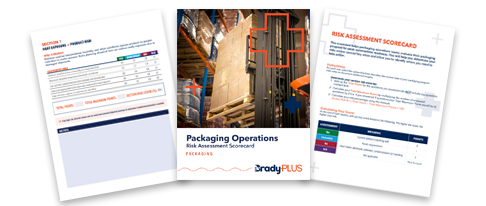
Download the Summer Packaging Operations: Risk Assessment Scorecard
This self-assessment helps you evaluate six key areas throughout your packaging operations to determine what you need to prioritize and invest in to reduce heat exposure risks, materials exposure, and improve consistency.
Ensure packaging operations readiness and standardization across all your locations!

References:
- UPS Temperature and Humidity: Package Engineering Sales Sheet
- CDC Stacks: Impact of Occupational Heat Stress on Worker Productivity and Economic Cost
- Cold chain on the brain? 3 Key challenges for last mile distribution


64 min read
5 Hidden Cross-Site Packaging Risks to Address Before Peak Season
Managing multi-site packaging operations is a challenge at any time. Each site may have different equipment, processes, and capabilities. While this...

11 min read
What’s Hot: Trends Driving the Packaging Industry in 2026
This past year has been a whirlwind of change that has shaken up the packaging industry. With new innovations in artificial intelligence and...

23 min read
Packaging Up Sweet Success with Alec’s Ice Cream
It started with a dream. A dream of a sustainably produced, more digestible ice cream that is better for the environment and brings people joy. This...