




14 min read
Should I Invest in A Case Sealer for My Packaging Operation?
New and existing business owners are constantly looking for ways to improve efficiency, reduce costs, enhance customer satisfaction, reduce injuries,...


 JANSAN
BradyPLUS delivers strategic services and product consistency to keep your facilities cleaner and more sustainable, people safer, and operations more productive, every day.
 FOODSERVICE
Our best-in-class brands deliver the quality you demand at prices you’ll appreciate. We know how to address every need with products designed and manufactured for unmatched performance, consistency, and value.
 PACKAGING
Our range of services and key partnerships with top equipment providers and suppliers ensure productivity, safety, sustainability, and uptime. We deliver consistent quality, ensure product availability, and add value when markets fluctuate.
 ABOUT US
At BradyPLUS, we prioritize serving you by participating in local events. Visit our events page to see when we'll be in your region, offering customized solutions to meet your facility operations needs.
3 min read
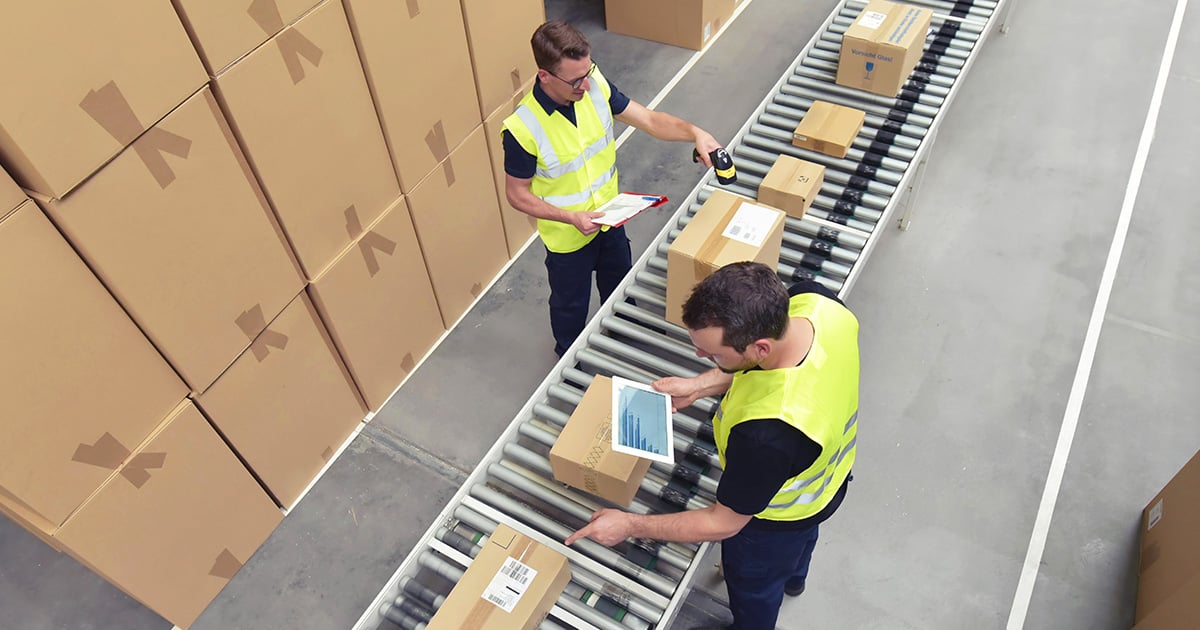
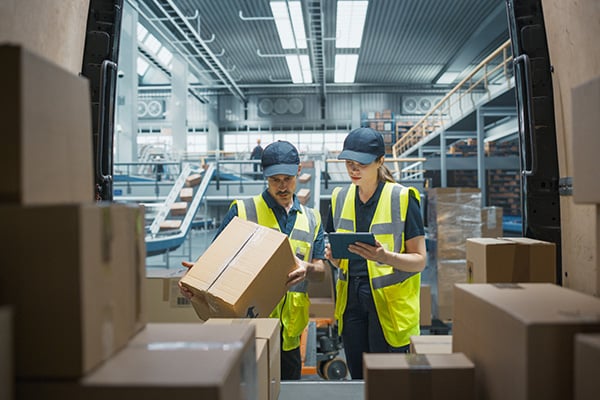
Warehouse workers are hand-forming and stacking hundreds of boxes to prepare for the afternoon shipping rush. Your pallets are being wrapped in so much stretch film that the product isn’t even visible through the cloud of polyethylene layers. Packages shipping on the second shift are experiencing significantly more damage than your first shift shipments.
Every day, warehouse teams strive for operational efficiency, but the hidden costs of relying on manual processes are preventing companies from truly optimizing their packaging operation.
When most packaging professionals think of incorporating automation into their end-of-line packaging program, labor savings are the primary—and in some cases, the sole consideration. To capture the real return on investment (ROI) tied to end-of-line packaging automation, we must also account for increased productivity, quality consistency, material usage optimization, and safety.
Here’s how packaging automation can provide value beyond labor savings.

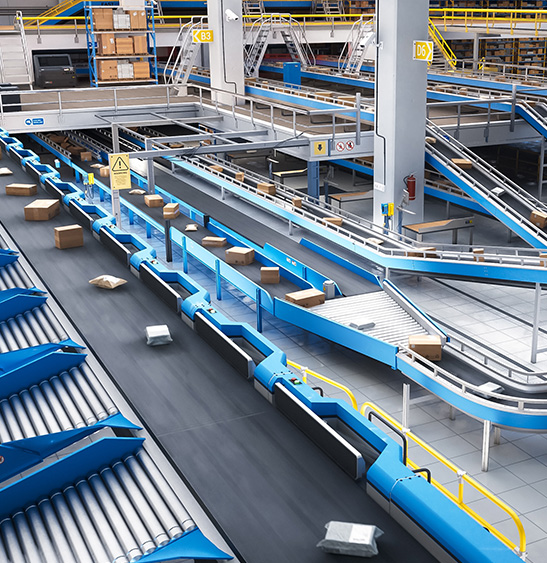
Bottlenecks frequently occur where manual processes1, such as sealing cartons or wrapping pallets, typically take longer to perform. These issues may not raise a red flag during standard production times, but teams can have a difficult time keeping up during seasonal rushes when order volumes spike.
Most packaging operations can benefit from automated or semi-automated equipment that creates more predictable output levels and improves packaging line speed. Even basic, entry-level equipment solutions can multiply throughput many times over.

Most operations will see significant inconsistencies in material usage across individual packers and shifts, making it extremely hard to track. Without a real grasp of how much material is being used per shipment, understanding material costs is nearly impossible. In a world of increasing prices, Extended Producer Responsibility (EPR) legislation, and global market uncertainty, this can put your operation in a bind.
Reducing unnecessary waste and material cost is a welcome “side effect” of automating your packaging processes. With automation-backed optimization of each packaging material, companies can lower costs by selecting the right box size, using the appropriate amount of void fill, and minimizing excess packaging materials like tape and stretch film.

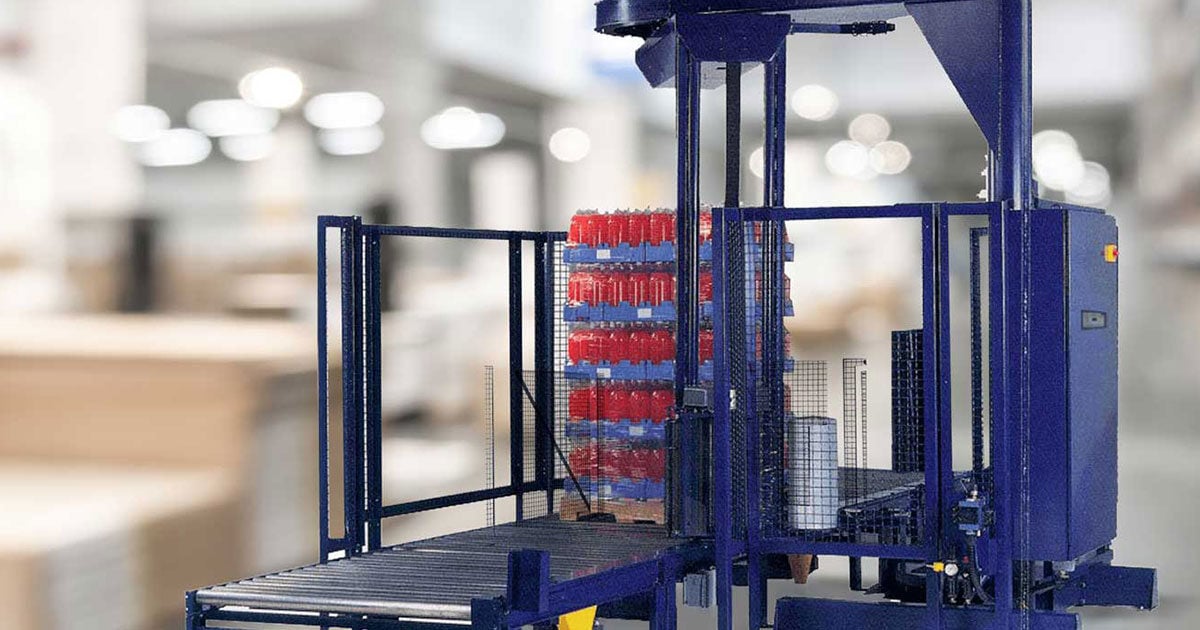
Automated and semi-automated end-of-line packaging equipment provide application consistency2, ensuring that your product is packaged correctly and protected accordingly.
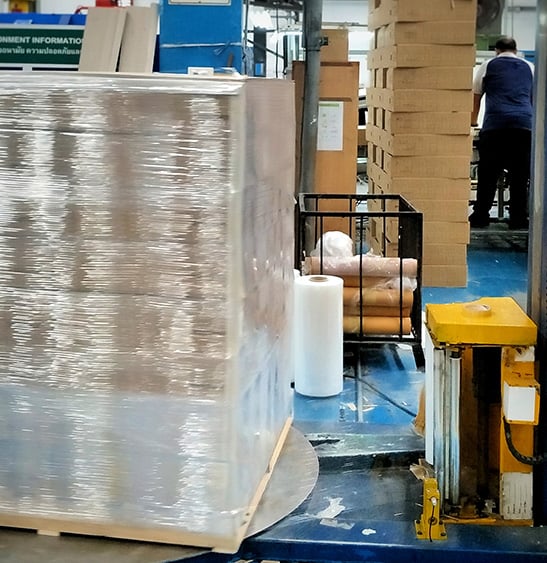
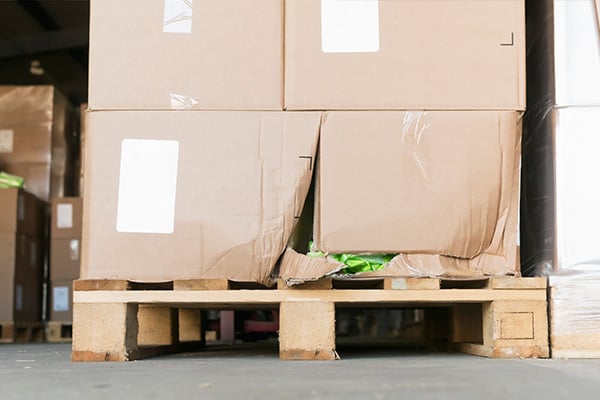
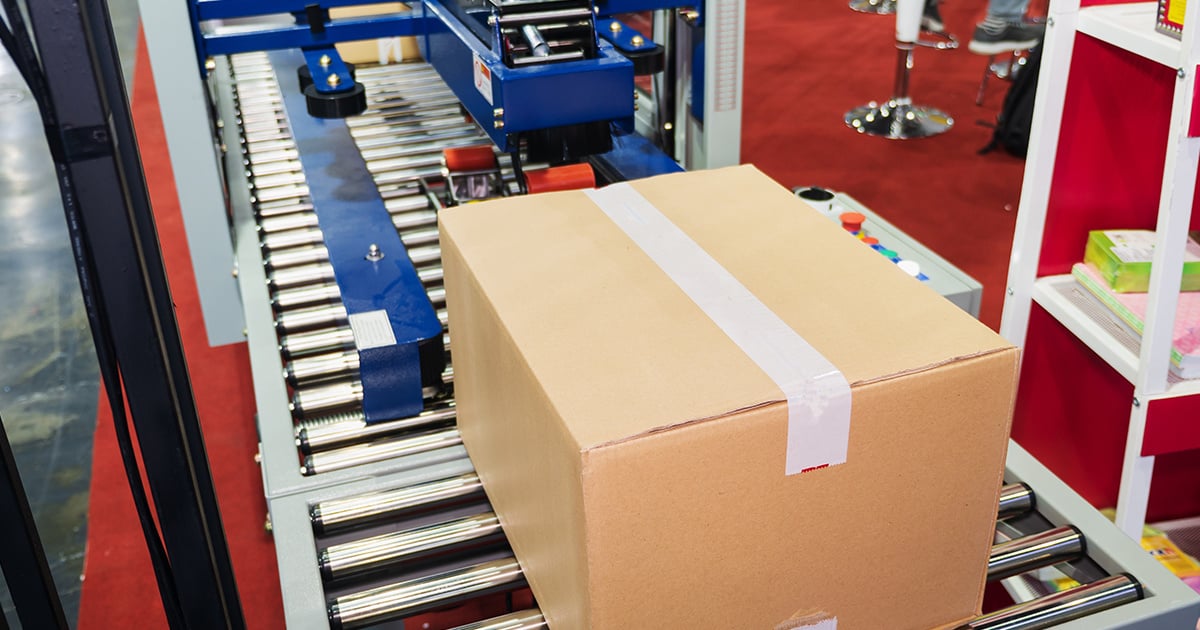
Case sealers and case erectors can prevent misaligned flaps and weak seals, reducing risk of damage while in storage or in transit. Stretch wrappers, by achieving the optimal containment force of the stretch film, help prevent load failures and organizations from the cost of damaged pallet loads.
Automation provides standardization across multiple shifts and ensures a standard level of quality control that is impossible to obtain with manual processes.

The leading cause of injuries and missed work in the manufacturing industry is due to repetitive tasks. For packaging operations, the culprits include jobs such as manually erecting cases, hand stacking heavy cases onto pallets for shipment, and wrapping pallet loads by hand. Peak volume times and seasonal labor fluctuations often increase the risks of accidents and fatigue.
Automating these processes protects employees from injury by eliminating most of these safety risks. Keeping workers safe and preventing the unwanted costs associated with potential injuries is another key factor when discussing return on investment for packaging equipment.

Do not underestimate the power of automated packaging equipment when you want to scale production, expand your operations, and plan for future growth.
Even adding one piece of automated, or semi-automated, packaging equipment can immediately boost productivity and allow operational flexibility for order surges, product mix changes, staffing disruptions, and production shifts.
For food processors, pharmaceutical and life science organizations, and any industry reliant on consistency, precision, and traceability, packaging automation can add an additional layer of standardization and reliability.
Packaging operations teams should track various info before & after automation to calculate ROI:


Before identifying and selecting automated packaging equipment, packaging teams should perform an assessment on their operations. Our packaging specialists can help you evaluate, uncover hidden pain points and risks, and determine the right equipment for your needs.
Download our Packaging Equipment Automation Justification Guides to learn how to quantify cost savings, improve operational efficiency, increase quality control, and prevent employee injuries by investing in automated equipment for your operation.

Resources

14 min read
New and existing business owners are constantly looking for ways to improve efficiency, reduce costs, enhance customer satisfaction, reduce injuries,...

20 min read
Grab a flat carton. Open it. Snag a tape gun. Fold the flaps down. Wrestle with the carton to lay flat. Attempt to tape it together in one go. Add...
10 min read
In the packaging industry, automation means different things to different people, but it generally comes down to one big idea – efficiency. All...